Understanding the Design of Canton Farmhouse
Key Architectural Features
The Canton Farmhouse embodies traditional farm-style architecture with a contemporary twist. Its symmetrical facade, harmonizing gable roofs, and expansive porches create an inviting atmosphere. Key features include large windows that allow natural light to flood into living spaces, enhancing open floor plans. A blend of horizontal and vertical lines creates architectural rhythm, while dormer windows add both character and functionality, optimizing attic space.
Historical Background
The Canton Farmhouse draws inspiration from historical American farmhouses that emerged in the 18th and 19th centuries. These structures were initially designed for practicality, often built with locally sourced materials. The design reflects a sense of familial tradition, rooted in agrarian lifestyles. Over time, the aesthetic evolved, incorporating elements of colonial and Victorian architecture, which are reflected in the Canton Farmhouse’s intricate moldings and porch details. This historical context enriches the farmhouse’s appeal, connecting lifestyle with heritage.
Materials and Style
The materials used in the construction of the Canton Farmhouse emphasize durability and sustainability. Wood, stone, and metal roofs are common choices, combining practicality with beauty. Often clad in natural wood siding, the farmhouse adopts a rustic charm. The exterior palette typically includes soft earth tones, working harmoniously with the landscape. Inside, the use of reclaimed wood beams and eco-friendly materials adds warmth while showcasing craftsmanship. This thoughtful selection merges traditional aesthetics with modern sustainability, crucial for energy efficiency.
Planning Your Own Canton Farmhouse
Choosing the Right Location
Choosing the location for your Canton Farmhouse is paramount. Consider factors such as accessibility, views, and sun orientation. A site with rolling hills can enhance the farmhouse’s aesthetic and allow for picturesque outdoor spaces. Fertile land is also essential for those interested in gardening or farming endeavors. Additionally, proximity to amenities while maintaining a rural charm will ensure a balanced lifestyle—making the farm both a retreat and a functional homestead.
Designing Floor Plans
When designing the floor plan for your Canton Farmhouse, prioritize open spaces that facilitate family interaction. An ideal layout features a large kitchen that flows into a dining area, perfect for gatherings. Think about functionality—designating separate zones for socializing, cooking, and retreat ensures a practical yet inviting home. Consider incorporating both single-story and multi-level elements, offering flexibility for family expansion or guests. Proper zoning can also ensure that private areas remain serene and tranquil.
Incorporating Sustainable Practices
Sustainable practices are increasingly vital in modern home design. Integrating energy-efficient appliances, solar panels, and rainwater harvesting systems in your Canton Farmhouse will reduce environmental impact. Utilize local materials to minimize transportation emissions and support local economies. Additionally, consider green roofs or living walls, which can enhance insulation and create natural habitats. These practices not only lower utility costs but entice environmentally conscious homeowners, ensuring your farmhouse remains both stylish and responsible.
Interior Design Elements of Canton Farmhouse
Color Schemes and Textures
The color schemes in a Canton Farmhouse generally reflect the natural surroundings. Earthy shades like olive greens, soft browns, and muted blues can evoke a calming atmosphere. Textures play a significant role; pairing smooth, soft fabrics with rough-hewn wooden elements creates visual contrast. Accent walls featuring reclaimed wood or brick introduce depth to the interiors, while natural fabrics—think cotton and linen—are preferred for upholstery and curtains, enhancing comfort while remaining breathable.
Furniture Selection
When it comes to furniture selection for the Canton Farmhouse, functionality should blend seamlessly with aesthetics. Opt for pieces that are durable yet stylish; think robust wooden tables, cozy sofas, and multifunctional storage solutions. Vintage furniture pieces can add character and nostalgia; look for items that tell a story. It’s also wise to select furniture that reflects scale and proportion to avoid clutter, maintaining the airy and open feel that is essential in farmhouse design.
Decorative Accessories
Decorative accessories breathe life into the Canton Farmhouse. Incorporate personal touches that reflect your family’s history, such as family photos in rustic frames or heirloom quilts adorning sofas. Display botanical arrangements to connect the indoors with the outdoors, adding color and vibrancy. Lighting is crucial; consider a mix of ambient, task, and accent lighting to create layered atmospheres. Vintage lanterns, rustic wall sconces, and farmhouse chandeliers can enhance the authentic charm of your space.
Landscaping Ideas for Canton Farmhouse Owners
Creating Outdoor Living Spaces
Outdoor living spaces are an extension of the Canton Farmhouse, ideal for entertaining or relaxation. Design comfortable seating areas on porches or patios, complete with weather-resistant cushions and outdoor rugs for added warmth. Fire pits can serve as focal points, while string lights can create a cozy ambiance for evening gatherings. Integrating natural elements, like stone pathways and native plants, will enhance the rustic charm and harmonize with the surroundings.
Gardening Tips for Rural Settings
Gardening offers both sustenance and beauty to your Canton Farmhouse. Start by assessing soil quality and sun exposure to maximize growth potential. Raised beds can improve drainage and soil temperature, while vertical gardening conserves space and adds layers to your garden. Incorporate local flora to create a low-maintenance landscape that flourishes with little intervention. Organic gardening practices, such as composting and crop rotation, should be employed, fostering resilient ecosystems and enriching soil quality.
Water Features and Focal Points
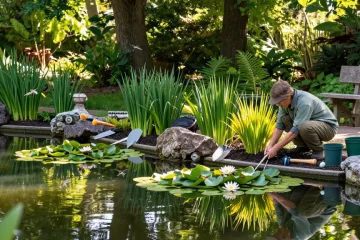
Incorporating water features can elevate the landscaping around your Canton Farmhouse. A pond, bubbling fountain, or small stream can introduce tranquility and attract wildlife. Position these features thoughtfully to create visual interest from both inside and outside your home. Focal points, such as ornate sculptures or carefully chosen trees, can break the landscape monotony. Thoughtful design helps establish a multi-sensory outdoor space where sounds and sights enrich the overall ambiance.
Maintaining Your Canton Farmhouse Over Time
Regular Maintenance Tips
Ongoing maintenance is crucial for the longevity of your Canton Farmhouse. Schedule seasonal inspections of structural elements, such as roofs, gutters, and foundations, to identify issues early. Clean gutters and downspouts regularly to prevent water damage. Regularly paint and seal wood exterior surfaces, protecting against the elements. Landscaping maintenance, including pruning and mulching, will also sustain aesthetic appeal while promoting health in your gardens, enhancing both curb appeal and home value.
Renovation Ideas
Renovations should enhance functionality without compromising the farmhouse’s historical integrity. Modernizing kitchens and bathrooms with eco-friendly fixtures brings conveniences while supporting sustainability. Consider open-concept modifications that increase space and improve natural lighting. When updating, retain original components where feasible—like maintaining exposed wood beams or vintage tile—to preserve character while enhancing livability. Consultation with preservation specialists can be beneficial for significant changes.
Preserving Historic Integrity
Preserving the historic integrity of the Canton Farmhouse is an art that balances modernization with heritage appreciation. Engage experts in historic preservation to guide alterations that respect original architecture. Avoid replacing original features with modern imitations; instead, restore them where possible. Researching the farmhouse’s history may also yield insights that can guide renovations, ensuring that while you update its function, you maintain its spirit and story.
Frequently Asked Questions
What makes the Canton Farmhouse unique?
The Canton Farmhouse blends traditional architectural elements with modern sustainability, showcasing large windows, open spaces, and a strong connection to nature.
Can I build a Canton Farmhouse on a sloped lot?
Yes, a Canton Farmhouse can be designed for sloped lots. Creative architectural solutions can highlight the property’s natural landscape while offering stunning views.
What sustainable practices can I implement in my Canton Farmhouse?
Consider energy-efficient appliances, solar energy systems, and sustainable materials to reduce your home’s carbon footprint while promoting eco-friendliness.
Are there specific interior themes for a Canton Farmhouse?
A Canton Farmhouse typically embraces rustic, vintage, and farmhouse chic themes, blending comfort with timeless elegance for a warm atmosphere.
How do I maintain my Canton Farmhouse’s exterior?
Regular maintenance includes checking the roof, cleaning gutters, and applying paint or sealants on wooden surfaces to protect against weather damage.