Understanding the Importance of Pond Cleaning in Kent
Proper pond maintenance is essential for creating a healthy aquatic ecosystem that can thrive in the unique climate of Kent. Regular pond cleaning not only enhances the aesthetic value of your property but also supports local wildlife and contributes to a balanced ecological environment. Whether you own a large ornamental pond or a smaller water feature, understanding the importance of Pond Cleaning Kent will ensure that your water body remains a beautiful sanctuary for both you and the creatures that depend on it.
Why Maintaining Your Pond Matters?
Pond maintenance is often overlooked, leading to a variety of problems that can hinder the beauty and health of your water feature. Neglecting to clean your pond can result in stagnant water, which is a breeding ground for mosquitoes and other pests. Furthermore, debris accumulation can lead to oxygen depletion, which adversely affects fish and plant life. Regular cleaning prevents these issues and promotes a healthy, vibrant pond ecosystem.
Environmental Benefits of Clean Ponds
Clean ponds are essential to the local environment, providing habitats for diverse species of birds, fish, and amphibians. They help improve water quality by filtering pollutants and providing oxygen through the natural processes of aquatic plants. Additionally, maintaining clean ponds can help reduce the risk of invasive species taking over and disrupting the local ecosystem.
Pond Health Indicators: What to Look For
Monitoring the health of your pond is crucial for early detection of problems. Look for signs like unusual water discoloration, excessive algae growth, or strange odors. Healthy ponds usually have balanced pH levels, clear water, and a variety of aquatic life. Regular observations can help you take timely action to maintain your pond’s health.
Common Challenges in Pond Maintenance
Identifying Algae Blooms and Contaminants
One of the most common challenges faced by pond owners in Kent is the occurrence of algae blooms. These can result from nutrient overload, often due to runoff from fertilizers or organic waste. It’s essential to regularly test water quality and implement control measures such as aeration or biological treatments to keep these blooms at bay.
Addressing Wildlife Interference
While wildlife can enhance the beauty of your pond, certain species, like ducks or raccoons, can cause significant disruptions. They may disturb the pond’s ecology or create dirty conditions that require more frequent cleaning. Installing protective barriers or providing designated feeding areas away from the pond can help mitigate these issues.
Seasonal Changes and Their Impact on Pond Care
Each season presents unique challenges for pond maintenance in Kent. In the spring, rapid plant growth can lead to overgrown edges, while summer heat may provoke algae blooms. Autumn leaves can clog filters, and winter ice can impact fish health. Understanding these seasonal changes enables pond owners to prepare and react accordingly to keep their ponds clean and thriving.
Best Practices for Effective Pond Cleaning
Choosing the Right Tools and Equipment
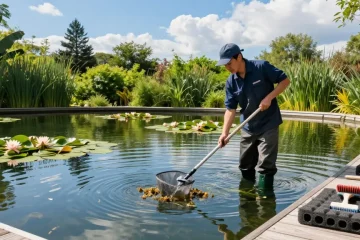
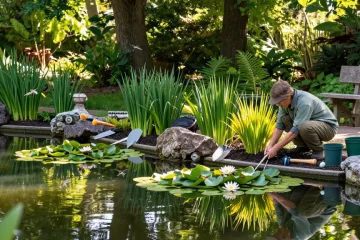
Investing in proper tools is crucial for maintaining a clean pond. Essential equipment includes pond skimmers, nets, and pumps, which help remove debris. Additionally, water testing kits enable you to monitor chemical levels effectively. By equipping yourself with the right tools, pond maintenance becomes a more efficient process.
When and How to Clean Your Pond
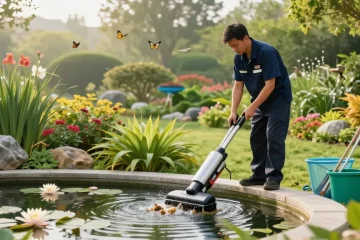
The best time to clean your pond is typically in early spring or late fall. This ensures that you prepare the water for seasonal changes. During a cleaning session, remove floating debris, vacuum the bottom, and perform water changes as necessary. Following a systematic approach makes pond cleaning manageable and effective.
Water Quality Testing: Step-by-Step Guide
To ensure your pond remains healthy, regular water quality testing is necessary. Start by collecting a water sample in a clean container. Use a testing kit to measure parameters such as pH, ammonia, nitrate, and dissolved oxygen levels. Frequent testing will help you identify issues early on and take corrective measures if needed.
Case Studies: Successful Pond Cleaning in Kent
Real-Life Examples and Solutions
Many pond owners in Kent have successfully revived their water features through diligent maintenance. For example, a community pond in Maidstone saw a significant decrease in algae problems after implementing a regular cleaning schedule and introducing beneficial bacteria into the water. Such examples highlight the effectiveness of proactive pond care.
Community Engagement in Pond Care Projects
Community involvement plays a vital role in successful pond maintenance. Local groups often organize clean-up events that not only beautify the area but also educate the public about responsible pond care. Engaging the community fosters a sense of stewardship over local water bodies, ensuring their health for generations to come.
Lessons Learned and Best Practices
From various case studies, one key takeaway is the importance of regular monitoring and cleaning. Communities that have embraced ongoing maintenance tend to experience fewer problems with pests and pollution. Sharing knowledge and resources within the community can amplify these benefits, leading to healthier ponds overall.
Future Trends in Pond Maintenance and Care
Innovative Technologies for Pond Cleaning
The future of pond maintenance in Kent looks promising with the advent of innovative technologies. Automated pond maintenance systems equipped with sensors can monitor water quality in real-time, alerting owners about changes that require attention. This advancement simplifies upkeep and ensures optimal pond conditions.
Eco-Friendly Solutions for Pond Management
With increasing awareness of environmental sustainability, eco-friendly pond management solutions are gaining popularity. Biological treatments using natural bacteria and enzymes can help manage algae and maintain clear water without harmful chemicals. Such methods promote a healthier ecosystem for both fish and plant life.
Predictions for Pond Care in 2026 and Beyond
Looking towards 2026, we can expect a greater emphasis on sustainability in pond care. As communities become more eco-conscious, practices that prioritize natural balance and biodiversity will likely take precedence. Moreover, advancements in technology will continue to make pond cleanup easier, leading to a more widespread commitment to maintaining these vital ecosystems.
What are the costs associated with pond cleaning in Kent?
The costs associated with pond cleaning can vary widely based on the pond size, the level of contamination, and whether professional services are utilized. On average, homeowners can expect to pay between £100 and £500 for regular cleaning services, with larger ponds potentially costing more. It’s essential to evaluate your pond’s specific needs to estimate costs accurately.
How often should I clean my pond?
Generally, ponds should be cleaned at least once a year, ideally in early spring or late autumn. However, the frequency may increase depending on the size of the pond and the amount of debris or algae present. Observing water quality and aquatic life will guide you in determining the appropriate cleaning schedule.
Can I do pond cleaning myself?
Yes, pond cleaning can be done by homeowners, especially for smaller ponds. However, understanding the necessary techniques and using the right equipment is crucial. For larger or more complex ponds, hiring a professional might be more effective to ensure proper care.
What equipment do I need for pond maintenance?
Essential equipment for pond maintenance includes skimmers, nets, vacuums, and water testing kits. Depending on the size and type of your pond, you may also consider pumps, aerators, and biological treatment products to maintain a healthy ecosystem.
How does pond cleaning affect local wildlife?
Proper pond cleaning positively impacts local wildlife by improving water quality and habitat. However, cleaning must be done carefully to avoid disturbing natural ecosystems. Monitoring wildlife during cleaning operations can help minimize disruption and promote a balanced environment.