Understanding Precision CNC Machining
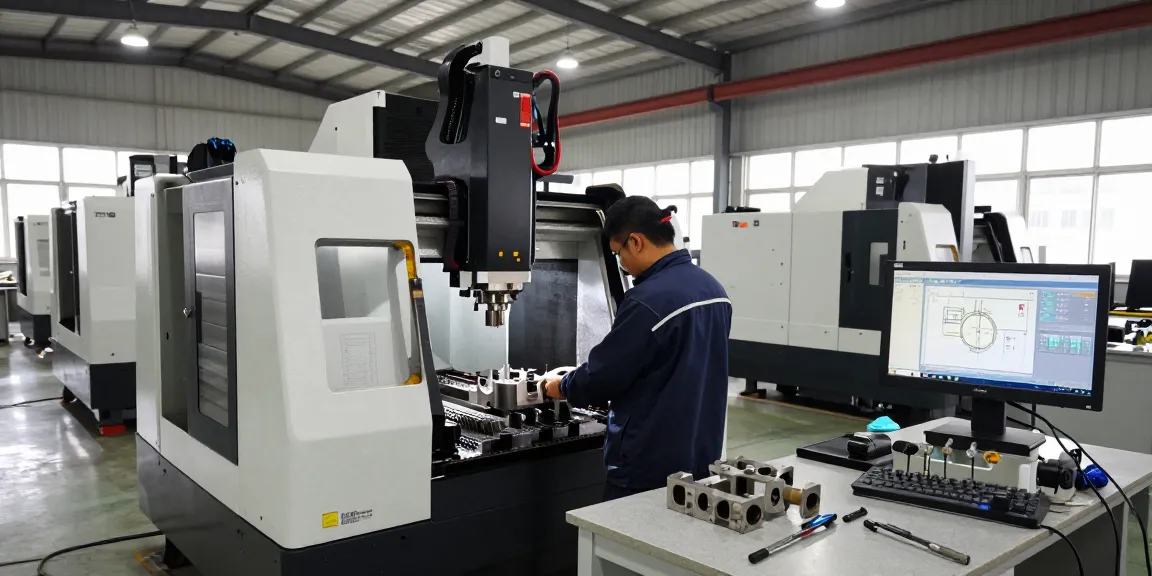
Precision CNC machining is an advanced manufacturing process that allows for extremely high levels of accuracy and repeatability in producing intricate parts. This process uses computer numerical control (CNC) to manage machining tools that work on materials like metal, plastic, and composites. As industries evolve and consumer demands increase, the role of precision CNC machining suppliers becomes vital in delivering quality products efficiently and effectively.
When exploring options, precision cnc machining supplier offerings are crucial for businesses that require reliable and exact support for their manufacturing needs.
What is Precision CNC Machining?
At its core, precision CNC machining involves the use of programmed commands to dictate the movement of machinery and tooling, which precisely fabricate parts from raw materials. This technology allows for the creation of complex shapes and designs that would be difficult, if not impossible, to achieve with manual machining methods. The precision aspect is characterized by tolerances that can be as tight as ±0.001 inches or even tighter, depending on the application requirements.
Key Technologies and Techniques
- 3D CAD Modeling: Before production, components are designed using sophisticated 3D modeling software, allowing manufacturers to visualize and alter designs easily.
- Milling: This process removes material from the surface of a workpiece using rotary cutters, creating features like slots, holes, and complex geometries.
- Turning: A lathe is used to rotate a workpiece against a stationary tool, producing cylindrical shapes with high precision.
- Electrical Discharge Machining (EDM): This technique uses electrical discharges to remove material, ideal for hard materials and intricate shapes.
- Laser Cutting: Lasers provide a meticulous approach to cut materials with minimal tolerances and heat distortion.
Applications Across Industries
Precision CNC machining is employed in a variety of industries, demonstrating its versatility and importance:
- Aerospace: Used for components that must withstand extreme conditions while maintaining lightweight properties.
- Medical: Precision parts for medical devices, ensuring reliability and safety in critical applications.
- Automotive: Components that require high precision to meet safety and performance standards.
- Electronics: Manufacturing of intricate circuit boards and enclosures that require precision machining to function correctly.
Choosing the Right Precision CNC Machining Supplier
Selecting a precision CNC machining supplier is a critical decision that can significantly impact your production efficiency and product quality. A comprehensive evaluation of potential suppliers is necessary to ensure they meet your specific needs and standards.
Criteria for Selecting a Supplier
When looking for a CNC machining supplier, consider the following criteria:
- Experience: Look for a supplier with a proven track record in your industry.
- Technology and Equipment: Suppliers should have up-to-date machinery capable of handling the required tolerances.
- Quality Certifications: Verify that the supplier meets industry quality standards such as ISO 9001.
- Customer Service: A responsive supplier can greatly improve communication and problem-solving.
Evaluating Supplier Capabilities
Assessing a supplier's capabilities involves understanding their technical expertise and capacity:
- Production Capacity: Ensure they can handle your volume requirements.
- Complexity of Work: Discuss their experience with parts similar to yours.
- Lead Times: Understand their timelines and how they align with your production schedule.
Common Pitfalls to Avoid
Avoid the following mistakes when choosing a precision CNC machining supplier:
- Ignoring References: Always check reviews and testimonials from previous clients.
- Focusing Solely on Price: Quality should be prioritized over cost to avoid future issues.
- Lack of Communication: Ensure that there is a clear line of communication to avoid misunderstandings.
Enhancing Quality Control in CNC Machining
Quality control is fundamental to the success of precision CNC machining. Implementing robust quality assurance processes can ensure the final product meets all specifications and customer expectations.
The Importance of Quality Assurance
Quality assurance in CNC machining is crucial to maintain specifications and minimize defects. This process encompasses planning, systematic monitoring, and documentation to ensure that all aspects of the machining process comply with defined standards.
Best Practices for Inspection and Testing
- In-Process Inspection: Regular checks during production help catch defects early, saving time and materials.
- Final Inspection: Conduct thorough inspections upon completion to ensure all products meet dimensional and functional criteria.
- Documentation: Maintain detailed records of inspections to track quality over time and inform future decisions.
Tools and Technologies for Quality Control
Utilizing advanced tools and technologies can enhance quality control processes:
- Coordinate Measuring Machines (CMM): These devices measure an object's physical geometrical characteristics, ensuring precision.
- Optical Comparators: Useful for comparing the dimensions of parts against optical standards.
- Statistical Process Control (SPC): This method uses data collection and analysis to monitor and control the machining process.
Cost Management in CNC Machining Projects
Managing costs effectively in CNC machining projects requires a strategic approach that balances quality and budget constraints. Understanding pricing models and applying cost-reduction strategies can lead to significant savings.
Understanding Pricing Models
Different suppliers may use various pricing models based on their processes, materials, and labor costs. Familiarizing yourself with these can help you evaluate bids more effectively:
- Fixed Pricing: A predetermined price for a specific project scope.
- Variable Pricing: Costs that may fluctuate based on material costs, labor, and project complexity.
- Unit Pricing: Pricing based on the number of units produced, often reducing costs at higher volumes.
Strategies for Reducing Costs
To keep production expenses low, consider implementing these strategies:
- Design Optimization: Simplify designs to reduce machining complexity and time.
- Material Selection: Choose materials that balance cost and performance.
- Supplier Negotiation: Develop relationships with suppliers for better pricing and terms.
Managing Budget Constraints Effectively
Effective budget management in CNC projects requires ongoing evaluation and adaptation. Regular reviews of expenses against projections can help maintain financial discipline.
Future Trends in CNC Machining (2026 and Beyond)
The CNC machining industry is continuously evolving. Staying informed about future trends is essential for suppliers and manufacturers to remain competitive.
Emerging Technologies Shaping the Industry
Several technologies are set to shape the future of CNC machining, including:
- Automation and Robotics: Integrating robotic systems to increase efficiency and reduce manual labor.
- AI and Machine Learning: These technologies can optimize machining processes by learning from data patterns.
- Additive Manufacturing: Combining subtractive and additive methods for hybrid manufacturing solutions.
Sustainability in CNC Machining Practices
As industries become more environmentally conscious, sustainability will play a crucial role in CNC machining. Practices aimed at reducing waste and energy consumption will be increasingly sought after.
Predictions for Market Growth and Demand
The CNC machining market is expected to expand significantly over the next few years due to increased demand for precision parts across various sectors. Market players must innovate and adapt to cater to this growing demand effectively.
What Should You Look for in a Precision CNC Machining Supplier?
To select the right supplier, consider their technological capability, quality assurance practices, and ability to meet your specific manufacturing needs.
How to Ensure Quality in CNC Machining Projects?
Implement robust quality control processes, use advanced inspection tools, and engage in regular communication with your chosen supplier.
What are the Key Trends Influencing CNC Machining?
Technological advancements, sustainability initiatives, and increased automation are among the key trends influencing the CNC machining landscape.
How to Optimize Costs in CNC Machining?
Cost optimization can be achieved through effective project management, strategic material selection, and negotiating favorable terms with suppliers.
What Technologies are Essential for Modern CNC Machining?
Technologies like advanced CAD/CAM software, CMM, and automation tools are essential for enhancing efficiency and precision in CNC machining.