Importance of Pond Plants in Aquatic Ecosystems
Pond plants play a vital role in maintaining the ecological balance of aquatic ecosystems. They not only enhance the aesthetic appeal of the pond but also contribute to overall water quality and provide habitats for various forms of wildlife. By introducing a diverse range of plant life, pond owners can create a thriving environment for both flora and fauna. When exploring options, Buy Pond Plants Online can offer you comprehensive insights into selecting the best specimens for your aquatic needs.
How Pond Plants Improve Water Quality
Pond plants are essential for improving water clarity and quality. They absorb excess nutrients that can lead to algal blooms, which can deplete oxygen levels and harm aquatic life. Plants also facilitate the natural filtration process by promoting beneficial bacteria that break down waste. This symbiotic relationship results in a healthier pond ecosystem.
Role of Aquatic Plants in Wildlife Habitats
Many species of fish, amphibians, and insects depend on aquatic plants for food, shelter, and breeding grounds. For example, marginal plants like bulrushes and water lilies provide shade and nesting materials for frogs, while oxygenating plants like hornwort offer habitat for aquatic insects. In this way, pond plants foster biodiversity and contribute to a balanced ecosystem.
Factors to Consider When Choosing Pond Plants
When selecting plants for your pond, consider various factors such as plant types, water depth, sunlight exposure, and local climate conditions. The right mix of plants can help achieve a balance between aesthetics and functionality, ensuring a robust and vibrant pond environment.
Types of Pond Plants You Can Buy Online
There are several categories of pond plants, each with unique characteristics and benefits that cater to different pond conditions. Understanding these types can help you choose the best options for your aquatic setting.
Oxygenating Plants: Essential for Aquatic Health
Oxygenating plants, such as hornwort (Ceratophyllum demersum) and elodea, grow submerged and are critical for oxygenating pond water. They release oxygen during photosynthesis and absorb excess nutrients, thus improving water quality. These plants also provide critical habitats for small fish and aquatic insects.
Marginal Plants for Aesthetic and Functionality
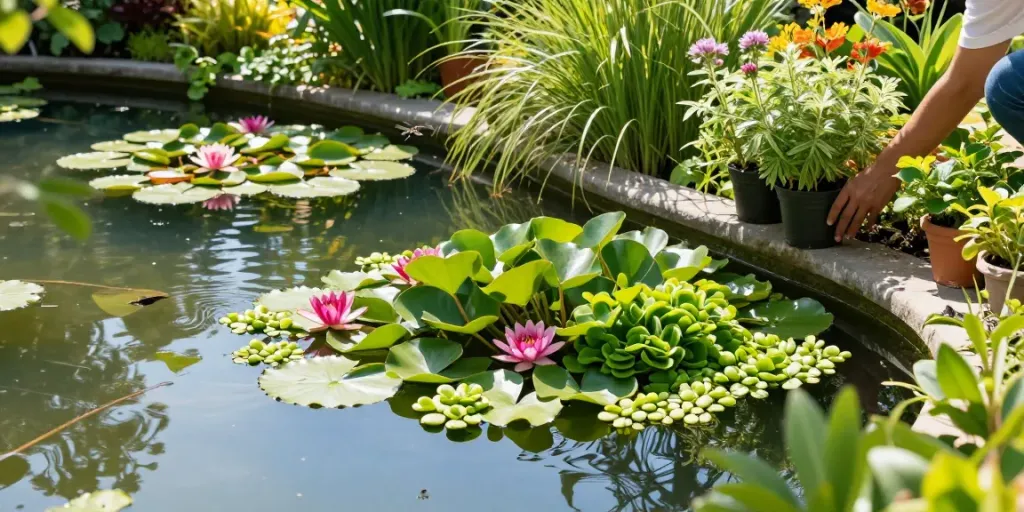
Marginal plants, like water mint (Mentha aquatica) and brooklime (Veronica beccabunga), grow at the edges of ponds and contribute to the overall aesthetic appeal. They help stabilize the soil, prevent erosion, and attract beneficial insects and wildlife, effectively enhancing the pond's ecological value.
Floating Plants: Beauty and Function in One
Floating plants, such as water lettuce (Pistia stratiotes) and water hyacinth, provide shade and absorb nutrients directly from the water. Their broad leaves float on the surface, helping to control algae growth by blocking sunlight. These plants also offer protection for fish and other aquatic organisms.
Best Practices for Planting and Caring for Pond Plants
Establishing a thriving aquatic garden requires knowledge and careful planning. Following best practices for planting and maintenance can ensure the long-term health and vitality of your pond plants.
Step-by-Step Guide to Planting Pond Plants
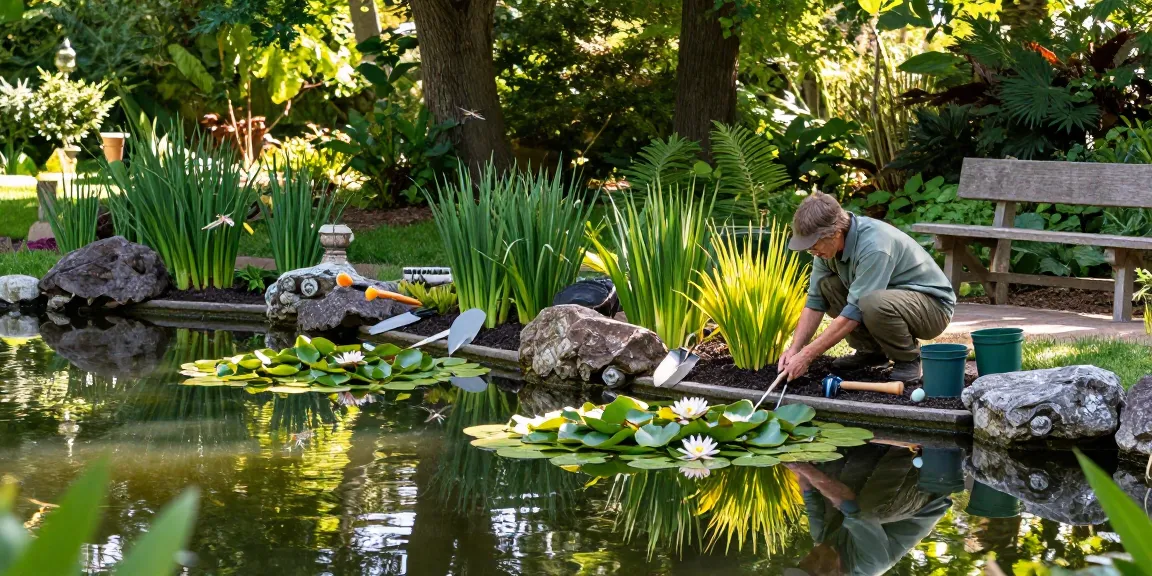
- Choose the Right Time: Spring is often the best season to plant, as it allows plants to establish before winter.
- Prepare the Site: Clear the planting area of debris and any unwanted plants to give new arrivals plenty of room to grow.
- Use the Correct Planting Depth: Follow specific depth guidelines for each type of plant to ensure they thrive.
- Water Quality: Ensure your pond conditions support your chosen plants, as some prefer acidic, alkaline, or neutral pH levels.
- Monitor Growth: Keep an eye on the plants as they establish, adjusting conditions as needed.
Common Mistakes to Avoid When Planting
- Overcrowding: Avoid placing too many plants in a small area, which can lead to competition for resources.
- Incorrect Depths: Planting too deeply or too shallow can hinder growth.
- Neglecting Water Quality: Poor water quality can adversely affect plant health; regularly check your pond's parameters.
Maintenance Tips for Healthy Pond Gardens
Regular maintenance is crucial for the health of your pond plants. This includes:
- Trimming back overgrowth to prevent overcrowding.
- Removing dead leaves to reduce organic waste.
- Revisiting the pond's layout periodically to adjust plant placements for optimal growth.
How to Buy Pond Plants Online: A Step-by-Step Guide
Purchasing pond plants online can be convenient, but it requires careful consideration to ensure you receive healthy, high-quality specimens.
Finding Reliable Online Retailers
Look for established online retailers that specialize in aquatic plants. Reading customer reviews and checking their return policy can help confirm reliability.
What to Look for in Online Plant Quality
Ensure the plants are delivered healthy and intact. Check for signs of damage, discoloration, or pests when your order arrives.
Understanding Delivery and Plant Care on Arrival
Upon receiving your plants, unpack them immediately and place them in water to keep them hydrated. Follow the provided care instructions to ensure they settle well into your pond environment.
Future Trends in Aquatic Gardening: What to Expect in 2026
The field of aquatic gardening is evolving, with new trends and techniques emerging every year. Understanding these can help pond enthusiasts stay ahead of the curve.
Innovative Plant Varieties on the Market
Expect to see a rise in hybrid plants that combine the best features of multiple species, offering enhanced aesthetics and improved resilience. These innovations can lead to a more robust and diverse plant selection for ponds.
Emerging Techniques for Sustainable Pond Care
Practices such as bioremediation and organic gardening techniques are gaining traction, allowing pond owners to maintain healthier ecosystems with less chemical intervention.
Consumer Trends in Online Aquatic Plant Purchasing
As more people turn to online shopping for convenience and variety, the demand for high-quality, native plants is expected to grow. This shift is likely to promote biodiversity in backyard ponds and support local ecosystems.
What is the best time of year to buy pond plants online?
The optimal time to purchase pond plants is during early spring when they are just starting to grow. This allows the plants to acclimate and establish themselves throughout the warmer months.
Which pond plants are safest for fish?
Many common pond plants, such as water lilies and marginal plants, are safe for fish. Always research specific species to ensure they are compatible with your pond's inhabitants.
How can I identify the right depth for planting?
Refer to the planting information provided with each plant to determine the ideal depth. Generally, oxygenating plants thrive in deeper water, while marginal plants prefer shallower areas.
What should I do if my pond plants aren’t thriving?
If your plants are struggling, assess their environment. Look into sunlight exposure, water quality, and whether they are planted at the correct depth. Adjusting these factors can often improve growth.
Where can I find the best deals on pond plants online?
Check dedicated aquatic gardening websites and seasonal sales for competitive pricing. Subscribing to newsletters can also alert you to exclusive offers and discounts.