
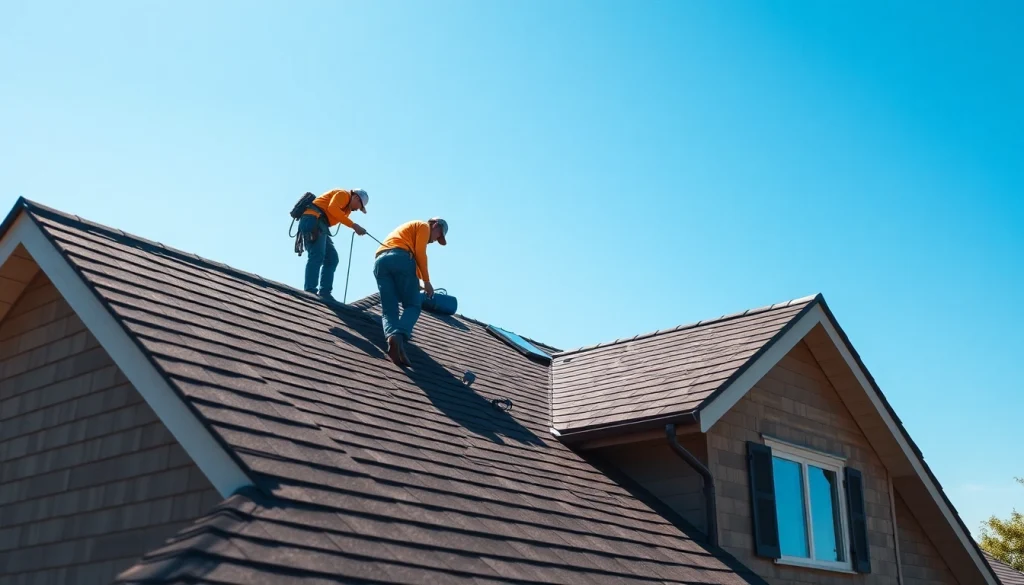
Understanding Professional Roofing Services
What Are Professional Roofing Services?
Professional roofing services encompass a wide array of tasks conducted by skilled contractors to ensure that a building’s roof is in optimal condition. These services include installation, repair, maintenance, and inspection of various roofing systems, catering to both residential and commercial properties. The roof’s integrity is vital for the overall stability and safety of a building, making it essential to rely on experienced professionals who can provide Professional roofing services tailored to each client’s needs.
Benefits of Hiring Professional Roofing Services
Utilizing professional roofing services presents multiple advantages, including:
- Expertise: Professional roofers possess extensive training and experience, enabling them to correctly identify issues that a layperson may overlook. Their knowledge extends to different roofing materials, techniques, and technologies.
- Quality Materials: Access to high-quality materials is another key benefit. Experienced contractors have established relationships with suppliers, allowing them to procure superior products that can enhance durability and performance.
- Safety: Roofing is inherently hazardous. Professional roofing services comply with safety regulations and employ protective measures to minimize risks, ensuring the safety of both workers and property owners.
- Warranty Coverage: Many professional roofing services offer warranties that protect homeowners against defects or issues that may arise after installation. This assurance is invaluable for peace of mind.
- Time Efficiency: Professionals complete roofing projects more efficiently due to their organized approach and experience, saving clients significant time compared to DIY efforts.
Common Types of Professional Roofing Services Offered
Various services fall under the umbrella of professional roofing, including:
- Roof Installation: This involves the complete setup of a new roof, utilizing materials like shingle, metal, or tile, tailored to specific building requirements and aesthetic preferences.
- Roof Repair: Addressing leaks, damaged shingles, and other issues falls under repair services, ensuring local weather conditions do not compromise the roof’s integrity.
- Routine Maintenance: Regular maintenance helps prolong the life of a roof, involving inspections, cleaning of gutters, and addressing minor problems before they escalate.
- Emergency Services: Storms or unexpected damage can require immediate professional intervention to prevent further property damage.
- Roof Inspections: A comprehensive inspection will evaluate the condition of the roof, often recommended before buying or selling a property.
Assessing Your Roofing Needs
Identifying Signs You Need Professional Roofing Services
There are several indicators that a roof may need professional attention:
- Water Stains: Discoloration on ceilings or walls may suggest a leak, necessitating a thorough inspection.
- Missing or Cracked Shingles: These are clear signs that the roof is underperforming and may require repairs to prevent further damage.
- Granules in Gutters: The presence of roofing granules can indicate that shingles are deteriorating, an issue that warrants a professional assessment.
- Visible Mold or Algae: Growth on roofs not only affects aesthetics but can also compromise structural integrity.
- Age of the Roof: Most roofs last between 20-30 years. If your roof is nearing the end of its lifespan, it’s essential to consult a professional for evaluation.
How to Evaluate Your Roofing Requirements
Evaluating roofing needs requires a systematic approach:
- Conduct Visual Inspections: Begin by inspecting the roof from the ground and, if safe, from a ladder or upper floor. Look for visible signs of degradation or damage.
- Check for Water Damage: Look inside the home for any signs of water damage in ceilings or walls, which could point to roofing issues.
- Review Maintenance History: Reflect on previous repair work to understand the roof’s overall condition and any recurring problems.
- Consult Professionals: Schedule an inspection with a professional roofing contractor to obtain a comprehensive understanding of the roof’s health.
Choosing the Right Time for Professional Roofing Services
The timing of roofing services can greatly affect the outcome of your project. Consider these factors:
- Seasonality: Spring and fall are generally the best seasons for roofing work, as conditions are milder, reducing the risk of adverse weather effects.
- Weather Conditions: Avoid initiating roofing services during extreme weather conditions such as heavy rain, snow, or high winds.
- Before Major Storms: If a significant weather event is forecasted, it’s advisable to address any existing roofing issues prior to avert damage that could lead to costly repairs.
What to Look for in a Professional Roofing Contractor
Qualities of Reliable Professional Roofing Services
When selecting a roofing contractor, several qualities can denote reliability:
- Experience: Contractors with extensive experience are likely to handle unforeseen challenges more effectively.
- Reputation: Research reviews and testimonials to gauge the contractor’s reliability and customer satisfaction.
- Licenses and Insurance: Verify that the contractor is licensed to operate in your area and carries appropriate insurance to protect against liabilities.
- Transparent Estimates: A reputable contractor should provide detailed and transparent estimates with no hidden costs.
- Warranty Offers: A solid warranty indicates confidence in their work and materials.
Questions to Ask Your Roofing Service Provider
Before finalizing a contract, consider asking the following questions to ensure you are making an informed decision:
- What is your experience with the type of roofing I need?
- What materials do you recommend, and why?
- Can you provide references from previous clients?
- What is your proposed timeline for the project?
- How will you handle unexpected issues that may arise during work?
Understanding Contractor Credentials and Certifications
Credentials and certifications can indicate a contractor’s professionalism and commitment to quality. Look for:
- Manufacturer Certifications: Some roofing material manufacturers offer certifications that confirm a contractor’s proficiency in their products.
- Local Licenses: Check that the contractor holds valid operating licenses, ensuring compliance with local regulations.
- Industry Affiliations: Membership in roofing industry organizations can promote ongoing education and adherence to best practices.
The Process of Hiring Professional Roofing Services
Step-by-Step Guide to Engaging Professional Roofing Services
The process of hiring professional roofing services can be simplified into a series of essential steps:
- Research: Look for local contractors with strong reviews and a track record in your area.
- Obtain Multiple Quotes: Compare estimates from at least three contractors to make an informed decision.
- Check References: Discuss the contractors’ past work with previous clients to understand their capabilities.
- Review Contracts Carefully: Ensure all relevant details are included in the contract, and clarify terms before signing.
- Schedule Work: Agree on a timeline for the project and any preparations you may need to undertake.
What to Expect During the Roofing Project
Understanding the process can alleviate stress and set appropriate expectations. During the roofing project, you can expect:
- Preparation: The contractor will typically arrive early to prepare the site, ensuring safety and efficiency.
- Work Schedule: Contractors will provide you with an estimated timeline and keep you informed of progress.
- Communication: Regular updates will be shared, and the contractor should be available to answer any questions.
- Site Cleanup: A professional contractor should adhere to cleanup protocols, leaving the job site tidy after completion.
Communicating Effectively with Your Roofing Provider
Efficient communication is paramount. To enhance interaction with your roofing provider:
- Set Clear Expectations: From the onset, outline what you expect regarding deliverables, timelines, and communication frequency.
- Document Everything: Keep a written record of communications, agreements, and changes made throughout the project.
- Be Open and Honest: Address any concerns immediately and provide feedback about any issues that arise during the project.
Maintaining Your Roof After Professional Roofing Services
Best Practices for Roof Maintenance
Post-installation maintenance plays a crucial role in extending the lifespan of your roof. Incorporate these best practices:
- Regular Inspections: Conduct biannual inspections, ideally before and after harsh weather seasons.
- Clean Gutters: Keep gutters clear of debris to ensure proper drainage and prevent water backup, which can cause damage.
- Trim Overhanging Branches: Regularly trim trees or branches close to the roof, as they can cause abrasions or potential leaks during storms.
- Monitor Jay’s Equipment: If you have an HVAC unit on the roof, ensure it is well maintained to prevent leaks into the roofing materials.
Signs Your Roof Needs Government Professional Roofing Services
Identifying issues early can save you from costly repairs. Be alert for these signs that your roof requires intervention:
- Excessive Energy Bills: A significant increase in your energy bill may indicate heat loss due to poor insulation or roofing problems.
- Health Hazards: Presence of mold or mildew can point to moisture problems, necessitating immediate professional assessment.
- Structural Issues: Sagging, warping, or unusual noises coming from the roof structure are serious indicators that your roof is compromised.
Long-Term Benefits of Regular Roofing Inspections
Investing in regular inspections pays off in multiple ways:
- Proactive Problem Solving: Early detection of potential issues allows for timely repairs, often at a fraction of the cost of emergency repairs.
- Enhanced Longevity: Regular maintenance and inspections can prolong the lifespan of your roof, protecting your investment.
- Insurance Benefits: Some insurance companies offer incentives for properties with well-maintained roofs, possibly reducing premiums.