
Understanding the Types of Refrigerators
Choosing the right refrigerator can significantly enhance your kitchen experience, allowing for both functionality and aesthetic appeal. The market today offers a variety of styles to suit different needs and preferences. In this section, we’ll explore the three primary types of refrigerators and their specific features.
1. Top-Freezer Refrigerators
Top-freezer refrigerators are among the most traditional and economical options available. Characterized by a fresh-food compartment situated below the freezer, these refrigerators often provide ample storage space and easy accessibility for daily food items. Their straightforward design allows for efficient organization, making them a favorite for families and individuals who prioritize practicality.
With varying sizes and styles, they also come with energy-efficient models that are perfect for conscious consumers. Additionally, top-freezer refrigerators typically feature adjustable shelving and crisper drawers, which help in managing different food items effectively.
2. Bottom-Freezer Refrigerators
Bottom-freezer refrigerators flip the traditional layout by placing fresh food at eye level, making it easier to access commonly used items. These refrigerators often come with a pull-out freezer drawer at the bottom or a door style, enhancing convenience and usability.
This type is especially beneficial for those who frequently access fresh foods, as bending down to access lower compartments becomes less necessary. Many models also include the latest in cooling technology, ensuring optimal freshness and temperature control throughout the unit.
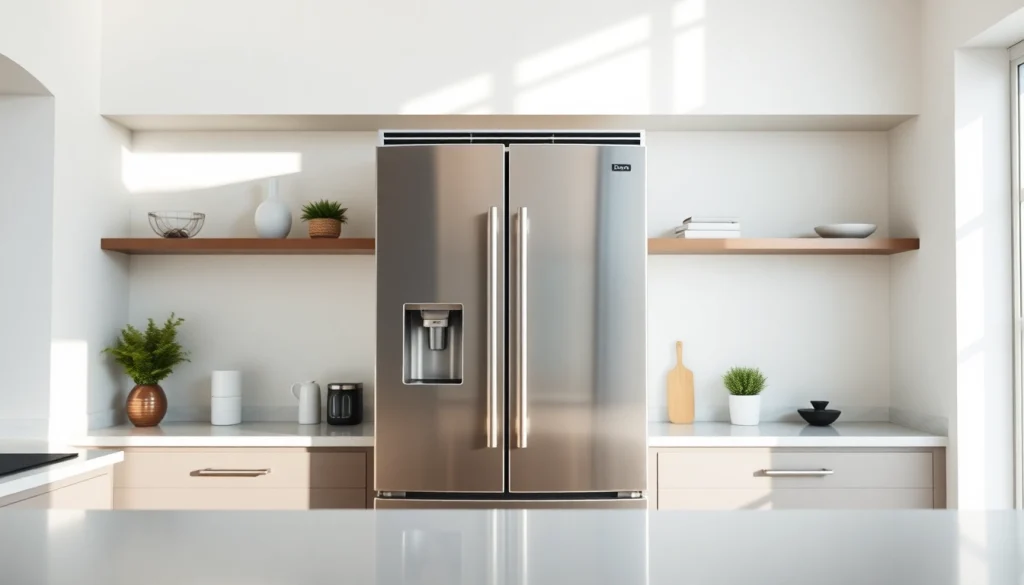
3. Side-by-Side Refrigerators
Side-by-side refrigerators offer a modern solution with unique features that appeal to many consumers. They design splits the refrigerator and freezer compartments vertically, allowing for easy access to both sections simultaneously. This arrangement is particularly advantageous in tight kitchen spaces where door swing limitations come into play.
Most side-by-side models come equipped with advanced features such as water and ice dispensers, making them a versatile choice. The side-by-side design also promotes better organization, with adjustable shelves and bins, catering to various sizes of food and beverages.
Key Features to Consider
When selecting a refrigerator, it’s crucial to weigh various features that will best suit your lifestyle. From energy efficiency to design aesthetics, understanding what to prioritize will help streamline your decision-making process.
1. Energy Efficiency Ratings
Energy efficiency is a key consideration in refrigerator selection. Models are often rated by Energy Star and other organizations, indicating their consumption levels. Energy-efficient refrigerators utilize advanced compressors and insulation to minimize electricity usage, leading to lower utility bills.
It’s important to look at both the upfront costs and long-term savings when evaluating options. An energy-efficient refrigerator not only benefits the environment but can also result in significant financial savings over time.
2. Storage Solutions and Storage Capacity
Evaluating storage solutions is fundamental to ensuring that a refrigerator meets your unique needs. From adjustable shelves to specialized storage bins, the configuration of a refrigerator can greatly affect its usability.
Consider what items you typically store in your refrigerator. If you often keep large items like pizza boxes or containers, opt for adjustable shelving. Additionally, crisper drawers can help maintain the freshness of fruits and vegetables, while specialized compartments for dairy products enhance organization.
3. Design and Aesthetics
The design and aesthetics of a refrigerator should harmonize with your kitchen’s overall style. Different finishes such as stainless steel, matte, or classic white can impact the look and feel of your kitchen space.
Moreover, color versatility plays a significant role; many contemporary refrigerators come in various colors to suit diverse design themes, adding a personal touch to your kitchen layout.
Customization and Convenience
Modern refrigerators offer a plethora of features that enhance convenience, catering to specific lifestyle needs. From smart technology to modular designs, choosing a customizable refrigerator can significantly improve your kitchen experience.
1. Smart Refrigerator Technology
Smart refrigerator technology has revolutionized how we interact with our kitchen appliances. These advanced units often feature Wi-Fi connectivity, allowing you to manage settings remotely via a smartphone app. You can monitor the temperature, receive notifications on food expiration, and even order groceries directly.
Some models come equipped with touchscreens that enable you to browse recipes, create grocery lists, or view family schedules, adding a new layer of functionality. Integration with virtual assistants can further enhance convenience, making tasks more manageable.
2. Modular Options for Smaller Spaces
For those with limited kitchen space, modular refrigerators provide customizable configurations to maximize functionality without sacrificing style. Many brands offer counter-depth designs and compact models that fit seamlessly into smaller kitchens.
Consider features like stackable or undercounter refrigerators that can serve as additional cooling solutions. These options allow for flexibility in design and ensure that all kitchen layouts can accommodate a refrigerator without compromising on space.
3. Accessories and Replacement Parts
Investing in a refrigerator also means considering additional accessories and replacement parts. From specialized filters for water dispensers to additional shelving and drawers, these accessories can optimize your refrigerator’s performance.
Ensure that you consider the availability of these additional components when buying a refrigerator, so that maintaining optimal function is convenient and cost-effective in the long term.
How to Maintain Your Refrigerator
Regular maintenance of your refrigerator is crucial for longevity and optimal performance. Simple cleaning and checking procedures can prevent major issues and enhance efficiency.
1. Cleaning Techniques for Maintenance
Keeping your refrigerator clean is vital for hygiene and performance. Regularly clear out expired items and thoroughly wipe down shelves and surfaces using mild detergent and water. Accessible tight spaces like the condenser coils should also be vacuumed to prevent dust accumulation that disrupts cooling efficiency.
2. Troubleshooting Common Issues
Familiarizing yourself with common refrigerator issues will empower you to troubleshoot minor problems effectively. For instance, if the refrigerator is not cooling properly, check the settings and airflow, and ensure the door seals are intact. Additionally, listen for unusual noises, which might indicate mechanical problems that need addressing.
3. When to Seek Professional Help
While many refrigerator issues can be resolved independently, knowing when to seek professional help is essential. If your refrigerator constantly runs loudly, shows temperature inconsistencies despite adjustment, or leaks water, these may point to more serious malfunctions requiring expert assistance.
Cost and Budget Planning for Your Purchase
Budgeting for a new refrigerator doesn’t just involve the purchase price; it includes ongoing costs like energy consumption and potential repair fees. Understanding average costs can help you make an informed decision.
1. Average Costs of Different Types
The average cost of refrigerators can vary significantly based on type, size, and features. Top-freezer models typically range from $500 to $1,500, while bottom-freezer refrigerators fall into the $800 to $2,500 range. Side-by-side refrigerators generally range from $1,000 to $4,000, depending on brand and features.
2. Financing and Beyond Warranty Plans
Consider financing options if you’re hesitant to pay the full price up front. Many retailers offer flexible payment options that allow for easy budget management. Additionally, warranties can be addressed when budgeting; a good warranty will help cover repair costs and provide peace of mind for your investment.
3. Shopping for Deals and Discounts
Shopping smartly can lead to significant savings. Take advantage of seasonal sales events, clearance items, and online promotions. Comparing prices online across retailers will also help you find the best deals, ensuring that you get more bang for your buck.
FAQs about Refrigerators
1. What are the benefits of a smart refrigerator?
Smart refrigerators offer features like Wi-Fi connectivity, touchscreens, and compatibility with smart home devices, enhancing convenience and organization in your kitchen.
2. How often should I clean my refrigerator?
It’s advisable to clean your refrigerator every few months, removing expired food and wiping surfaces to maintain hygiene and efficiency.
3. Is energy-efficient refrigerator worth the extra cost?
Yes, energy-efficient refrigerators reduce energy bills and environmental impact, making them a wise long-term investment despite higher initial costs.
4. How do I know what size refrigerator I need?
Consider your household size, available kitchen space, and common food storage needs. Standard sizes vary, but a general rule is 4-6 cubic feet of space per person.
5. What should I do if my refrigerator is not cooling properly?
Check if the temperature settings are correct, ensure door seals are tight, and allow for proper airflow. If issues persist, consulting a professional might be necessary.