
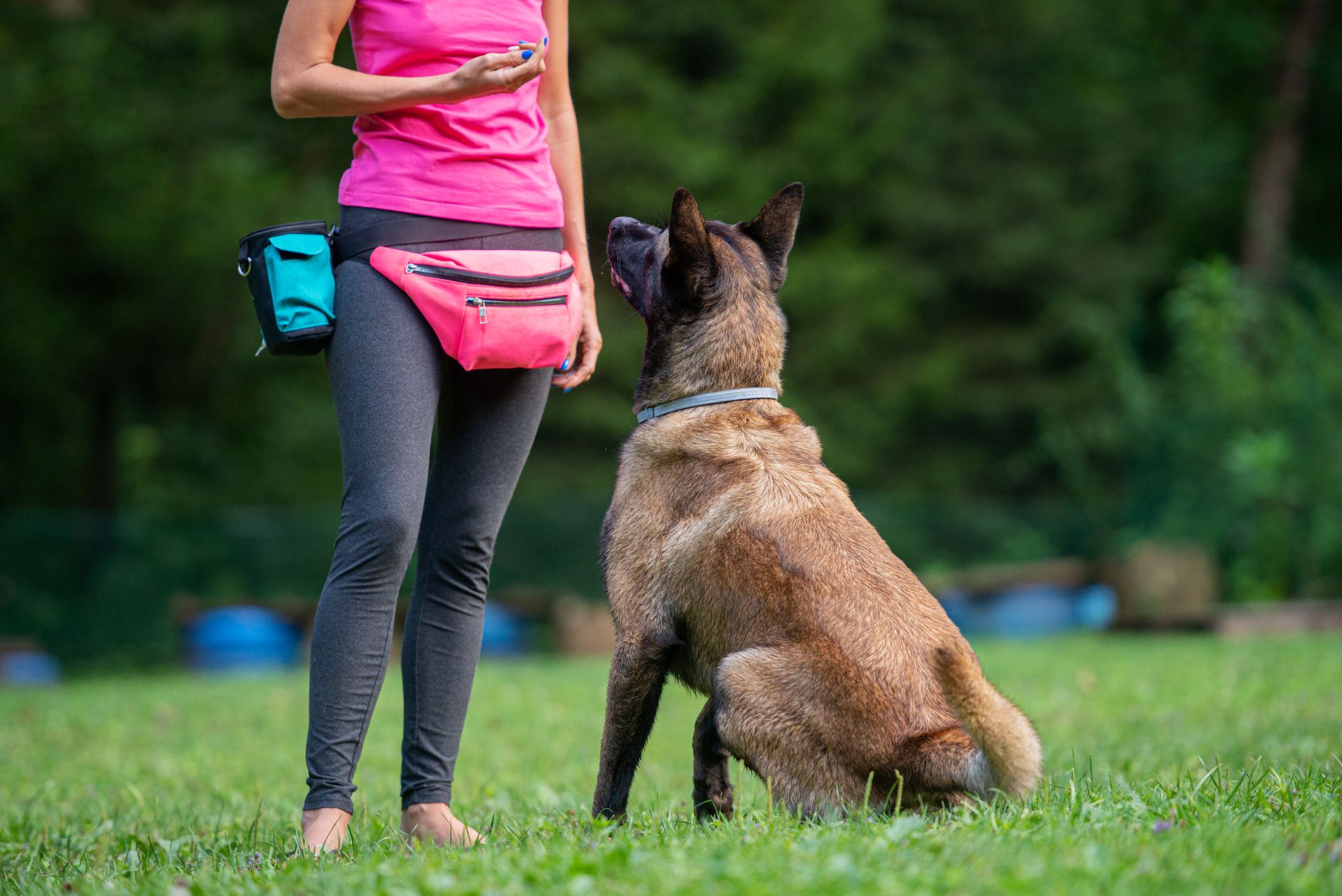
Strong communication is the foundation of every successful relationship between dogs and their owners. While basic obedience commands are important, true behavioral improvement happens when owners understand how dogs communicate, respond to guidance, and process their environment. That is where advanced canine communication coaching becomes valuable.
Modern dog training has moved far beyond repetitive commands and correction-based methods. Today, experienced trainers focus on communication systems that help dogs build confidence, improve focus, and develop long-term behavioral stability. At Rob’s Dog Training, advanced coaching methods help owners strengthen trust, improve responsiveness, and create a more balanced relationship with their dogs.
Whether working with energetic puppies, anxious rescue dogs, or highly driven working breeds, communication-centered training creates clearer expectations and more reliable results.
- Why Communication Matters More Than Commands
- The Difference Between Basic Training and Advanced Coaching
- Understanding Canine Psychology
- Common Problems Communication Coaching Can Improve
- The Role of Consistency in Training
- Why Timing Is Critical
- Building Trust Through Leadership
- Socialization Beyond Dog Parks
- Advanced Communication Techniques Used by Professional Trainers
- Why Every Dog Learns Differently
- The Importance of Owner Education
- Real-World Training Creates Real-World Results
- Mental Stimulation Is Just as Important as Exercise
- How Advanced Coaching Supports Long-Term Behavioral Success
- Choosing the Right Professional Dog Trainer
- Final Thoughts
Why Communication Matters More Than Commands
Many owners assume training is simply teaching a dog to sit, stay, or come when called. While these skills are important, behavior problems often stem from communication breakdowns rather than a lack of obedience.
Dogs constantly communicate through:
- Body posture
- Eye contact
- Movement patterns
- Vocalizations
- Energy levels
- Spatial awareness
Owners who learn to recognize these signals can respond more effectively before problems escalate. Advanced canine communication coaching teaches handlers how to identify stress signals, reinforce calm behavior, and guide dogs with consistency.
This creates a more cooperative learning environment instead of one based on confusion or frustration.
The Difference Between Basic Training and Advanced Coaching
Basic obedience training usually focuses on isolated commands. Advanced coaching focuses on communication systems that apply in real-world situations.
Basic Training Often Includes:
- Sit
- Stay
- Down
- Leash walking
- Recall
Advanced Coaching Expands Into:
- Environmental neutrality
- Impulse control
- Emotional regulation
- Handler awareness
- Social behavior management
- Off-leash reliability
- Distraction conditioning
The goal is not simply to create a dog that follows commands during training sessions. The goal is to build a dog that can remain calm, focused, and responsive in everyday environments.
Understanding Canine Psychology
Dogs do not process the world the same way humans do. Many behavioral issues occur because owners unintentionally reward anxiety, excitement, or reactive behavior.
Advanced canine communication coaching helps owners better understand:
- Threshold behavior
- Reinforcement timing
- Pack structure instincts
- Spatial pressure
- Reward association
- Stress triggers
- Behavioral escalation patterns
When owners understand why dogs react in certain ways, they can make smarter training decisions that support long-term improvement.
Common Problems Communication Coaching Can Improve
Many owners seek professional training after dealing with ongoing frustration. Communication-focused coaching addresses the root causes behind these issues instead of only managing symptoms.
Excessive Barking
Dogs bark for many reasons:
- Fear
- Excitement
- Territorial behavior
- Frustration
- Attention seeking
Coaching helps owners recognize the emotional trigger behind barking and respond appropriately rather than unintentionally reinforcing the behavior.
Leash Reactivity
Dogs that lunge or bark during walks often struggle with overstimulation or uncertainty. Advanced communication systems teach handlers how to guide focus, reduce tension, and build calmer walking habits.
Anxiety and Nervous Behavior
Fearful dogs benefit greatly from consistent communication. Clear structure and predictable expectations can help reduce stress and improve confidence.
Poor Recall
Reliable recall requires more than repeating the word “come.” Dogs must learn engagement, trust, and reinforcement value in distracting environments.
Hyperactivity and Impulse Control
Energetic dogs often need mental structure as much as physical exercise. Communication coaching builds patience, focus, and self-control.
The Role of Consistency in Training
One of the most overlooked aspects of dog training is handler consistency. Dogs learn through repetition and pattern recognition. Mixed signals can slow progress and create confusion.
Advanced canine communication coaching teaches owners how to:
- Use consistent verbal markers
- Maintain predictable routines
- Reinforce desired behavior correctly
- Avoid accidental rewards
- Create clear boundaries
Consistency helps dogs understand expectations faster and improves reliability across different environments.
Why Timing Is Critical
Dogs associate rewards and corrections with what happens immediately in the moment. Delayed responses often confuse the learning process.
Professional coaching helps owners improve:
- Marker timing
- Reward placement
- Behavioral interruption timing
- Calm reinforcement
- Redirection techniques
Even small improvements in timing can significantly accelerate learning and reduce frustration for both the dog and the owner.
Building Trust Through Leadership
Dogs naturally look for guidance and structure. Leadership in modern dog training is not about intimidation or dominance. Instead, it involves calm consistency, clear communication, and predictable expectations.
Dogs tend to feel more secure when owners:
- Set boundaries clearly
- Follow routines consistently
- Remain calm under pressure
- Reward desired behaviors fairly
- Provide structure during stressful situations
Trust-based leadership often improves responsiveness far more effectively than force-based methods.
Socialization Beyond Dog Parks
Many owners believe socialization simply means exposing dogs to other dogs. In reality, healthy socialization involves teaching dogs how to remain neutral and composed in various environments.
Advanced coaching often includes exposure to:
- Crowded public spaces
- Traffic sounds
- Children
- Other animals
- New surfaces
- Veterinary settings
- Outdoor distractions
Proper socialization helps dogs remain calm instead of overstimulated.
Advanced Communication Techniques Used by Professional Trainers
Experienced trainers use multiple communication layers during coaching sessions.
Verbal Communication
Tone, consistency, and timing matter more than volume. Dogs often respond better to calm, confident communication than repeated commands.
Body Language
Dogs read body posture exceptionally well. Handler movement, positioning, and energy levels strongly influence canine behavior.
Spatial Pressure
Movement into or away from a dog’s space can guide behavior without physical force.
Marker Systems
Markers help dogs identify correct decisions immediately. This speeds up learning and improves clarity.
Engagement Training
Engagement exercises build focus and strengthen the connection between dog and handler.
Why Every Dog Learns Differently
No two dogs learn exactly the same way. Breed tendencies, genetics, past experiences, energy levels, and temperament all affect training progress.
A personalized communication-based approach allows trainers to adapt methods for:
- Working breeds
- Rescue dogs
- High-drive dogs
- Sensitive dogs
- Puppies
- Senior dogs
Flexible coaching systems often create better long-term results because they match the dog’s individual learning style.
The Importance of Owner Education
One of the biggest factors in training success is owner involvement. Even the best trainer cannot create lasting change without consistency at home.
Professional coaching helps owners:
- Understand canine behavior
- Improve communication habits
- Build confidence during handling
- Prevent future behavioral problems
- Continue reinforcing training independently
When owners become active participants in the process, dogs tend to progress more reliably.
Real-World Training Creates Real-World Results
Dogs may perform perfectly in quiet environments but struggle in public settings. That is why advanced canine communication coaching often includes real-world distraction training.
This can involve:
- Public walks
- Outdoor shopping areas
- Parks
- Busy sidewalks
- Social encounters
- Vehicle loading practice
Training in realistic environments improves adaptability and helps dogs generalize behaviors outside the home.
Mental Stimulation Is Just as Important as Exercise
Many behavioral problems are linked to under-stimulation. Physical exercise alone does not always satisfy a dog’s needs.
Mental engagement activities may include:
- Scent work
- Problem-solving tasks
- Structured obedience
- Place training
- Engagement drills
- Environmental exposure exercises
Mentally stimulated dogs often display improved emotional balance and reduced destructive behavior.
How Advanced Coaching Supports Long-Term Behavioral Success
Quick fixes rarely create lasting behavioral improvement. Sustainable progress requires repetition, structure, and communication consistency.
Long-term coaching systems help dogs:
- Maintain emotional stability
- Improve adaptability
- Build stronger impulse control
- Develop confidence
- Strengthen owner engagement
This creates a more balanced relationship built on understanding instead of constant correction.
Choosing the Right Professional Dog Trainer
Not all training programs follow the same philosophy. Owners should look for trainers who prioritize:
- Communication-based methods
- Individualized coaching
- Real-world application
- Owner education
- Balanced behavioral understanding
- Clear expectations
A quality trainer should also explain the reasoning behind their methods and provide practical guidance owners can continue using independently.
Businesses like Rob’s Dog Training focus on helping owners understand their dogs more effectively while building reliable communication systems that support long-term success.
Final Thoughts
Behavioral improvement begins with better communication. Dogs thrive when expectations are clear, guidance is consistent, and training is built around understanding rather than confusion.
Advanced canine communication coaching gives owners the tools to strengthen trust, improve responsiveness, and manage behavior more effectively in real-world situations. From leash manners to confidence building, communication-centered training creates practical results that benefit both dogs and their families.
Investing in stronger communication skills can lead to calmer behavior, improved reliability, and a more rewarding relationship between owner and dog for years to come.

