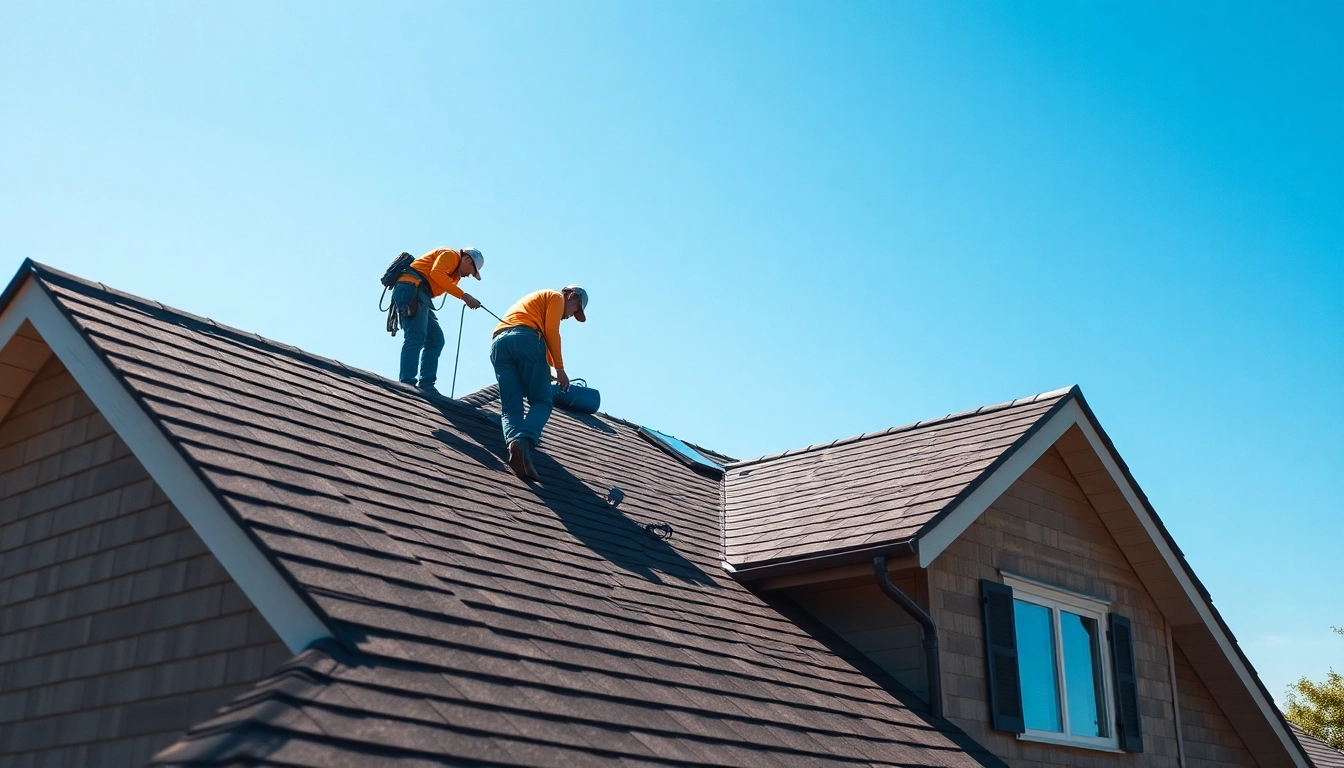
Understanding the Importance of Professional Roofing Services
When it comes to protecting your home, your roof plays a critical role. It’s not just a structural component; it’s your primary defense against the elements. This makes Professional roofing services indispensable for homeowners looking to maintain the integrity and longevity of their property. In this article, we will explore the importance of quality roofing, common issues that arise, and the benefits of hiring seasoned professionals.
Why Quality Matters in Roofing
When you invest in quality roofing, you’re not just buying materials; you’re investing in peace of mind. A durable roof can withstand severe weather conditions, protect against leaks, and ensure your home remains energy efficient. Inadequate roofing can lead to myriad problems, including structural damage, mold growth, and increased utility costs. Quality roofing also adds to the aesthetic value of your home, enhancing its curb appeal and market value.
Common Roofing Issues
Even well-maintained roofs can encounter issues over time. Understanding these common problems can help homeowners take proactive measures:
- Leaks: Water intrusion is one of the most common roofing issues, often caused by damaged shingles, worn-out seals, or improper installation.
- Deterioration: Environmental factors such as UV rays, moisture, and extreme temperatures can cause roofs to wear down and deteriorate over time.
- Pest Infestations: Rodents and insects can find their way into roofs, causing significant damage if not addressed promptly.
- Moss and Algae Growth: This can lead to excessive moisture retention, resulting in rot and structural damage.
- Flashing Issues: If the flashing—the material used to direct water away from critical areas—is compromised, it can lead to leaks and damage.
Benefits of Hiring Professionals
While some homeowners may consider DIY roofing repairs to save money, hiring professional roofing services offers invaluable advantages that can outweigh initial costs:
- Expertise: Professionals bring training and experience, allowing them to diagnose problems accurately and implement effective solutions.
- Quality Materials: Roofing professionals have access to higher-quality materials that may not be available to the average consumer.
- Safety: Roofing is inherently dangerous work. Professionals have the necessary safety equipment and training to minimize risks.
- Warranty Coverage: Many roofing professionals offer warranties on both materials and labor, providing security for future repairs.
- Long-term Cost Savings: The initial investment can save money down the line through fewer repairs, improved energy efficiency, and increased property value.
Types of Roofing Materials and Their Benefits
Selecting the right roofing material is pivotal for the long-term performance and aesthetics of your home. Below, we explore popular roofing options and their unique benefits.
Popular Choices for Residential Roofing
There are several roofing materials that homeowners frequently select, each with its advantages:
- Asphalt Shingles: Cost-effective and readily available, asphalt shingles are the most common roofing material. They come in a variety of colors and styles, making them easily customizable.
- Metal Roofing: Known for its durability and longevity, metal roofing can last up to 50 years. It’s resistant to severe weather, fire, and insects.
- Slate: Slate is a premium option known for its elegance and durability. Although more expensive, it can last over a century when properly maintained.
- Wood Shakes: These provide a rustic, natural look and excellent insulation. However, they require regular maintenance and may be susceptible to pest infestations.
- Tile: Tile roofs (ceramic or concrete) are famous for their longevity and eye-catching appearance. They are extremely durable but come with a higher price tag.
Eco-Friendly Roofing Options
As sustainability becomes a priority for many homeowners, eco-friendly roofing materials are gaining popularity:
- Solar Tiles: These integrate solar energy generation directly into your roof, reducing your carbon footprint.
- Green Roofs: These roofs are covered with vegetation, providing insulation benefits and encouraging biodiversity.
- Recycled Materials: Some roofing systems use recycled plastics and rubber, offering durability while reducing landfill contributions.
Comparing Costs and Lifespan
Ultimately, the cost of roofing materials often correlates with their longevity:
| Material | Average Cost | Average Lifespan |
|---|---|---|
| Asphalt Shingles | $90–$100 per square | 15–30 years |
| Metal Roofing | $100–$300 per square | 40–70 years |
| Slate | $600–$1,500 per square | 75–100 years |
| Wood Shakes | $120–$200 per square | 25–30 years |
| Tile | $300–$500 per square | 50–100 years |
How to Choose the Right Roofing Contractor
The quality of your roofing installation significantly relies on the expertise of the contractor you choose. Here are factors to consider:
Key Traits to Look For
When evaluating potential roofing contractors, look for these essential qualities:
- Experience: A contractor with years of experience is generally more knowledgeable about various roofing systems.
- Reputation: Check reviews, ratings, and testimonials to gauge customer satisfaction and reliability.
- Credentials: Verify that the contractor is licensed and insured, protecting you from liability.
- Estimates: A good contractor should provide a detailed written estimate, breaking down costs transparently.
Questions to Ask Potential Contractors
To ensure you’re hiring the right contractor, consider asking the following questions:
- What is your experience in roofing projects similar to mine?
- Can you provide references from previous clients?
- Aren’t you licensed and insured? Can you share proof?
- What is included in your warranty policy?
- How do you handle unexpected issues that arise during the project?
Understanding Contracts and Agreements
When it comes to roofing services, a clear agreement should outline key components:
- Scope of Work: Ensure you understand what services are included, such as repairs, materials, and cleanup.
- Payment Terms: Know your payment schedule and any upfront costs. This avoids surprises later.
- Timeline: Contract should specify the start and end dates for your roofing project.
- Liability and Insurance: Confirm that the contractor’s insurance covers any damages during the work.
Preparing for Your Roofing Project
Proper preparation can minimize disruptions and ensure a smoother project. Here’s how to prepare for your roofing service:
Steps to Take Before Installation
Before the contractor arrives, these steps can help facilitate a smooth process:
- Clear the area around your home, removing furniture or decorations from the yard.
- If possible, ensure pets and children are kept indoors or away from the work area for safety.
- Discuss with your contractor any specific concerns or requirements you may have.
Protecting Your Property and Landscape
Roofing work can be disruptive. Consider the following precautions to protect your landscape:
- Cover plants with tarps or blankets to shield them from debris.
- Communicate with your contractor about using protective measures like plywood to prevent damage.
- Keep pathways clear for workers and equipment to ensure safety.
Timeline Expectations for Roofing Projects
The length of a roofing project can vary greatly based on the scope. Here’s a general timeline indication:
- Minor Repairs: A few hours to a day.
- Complete Roof Replacement: 1 to 3 days, depending on logistics and roof size.
- Complex Projects: Such as major renovations, can last a week or more.
Maintaining Your Roof After Installation
Once your roof is installed, ongoing maintenance ensures its durability and function over the years. Here are important maintenance tips:
Regular Inspection and Maintenance Tips
Your roof should be inspected at least once a year and after severe storms. Look for signs of wear, missing shingles, or leaks. Keeping gutters clean, removing debris, and ensuring proper drainage can prolong your roof’s life significantly.
Signs Your Roof Needs Repair
Keep an eye out for these red flags that may indicate a need for repair:
- Water stains on ceilings or walls.
- Visible shingles missing or curling.
- Mold growth inside the house.
- Wet spots in the attic during rain.
- Increased energy bills indicating insulation problems.
Long-Term Care Strategies for Durability
To ensure the longevity of your roof, consider these long-term care strategies:
- Regularly clear debris from the roof surface and gutters to prevent blockages.
- Trim trees and branches that hang too close to the roof to avoid damage.
- Schedule professional inspections every few years to identify potential issues early.
- Implement a repair plan for small damages before they escalate into larger issues.
Frequently Asked Questions About Roofing Services
What should I look for in a roofing contractor?
Look for experience, insurance and licensing, solid reviews, detailed estimates, and clear communication.
How long does a new roof installation take?
The duration varies; minor repairs can take hours while complete replacement may last 1-3 days, depending on the roof size.
What maintenance does my roof need?
Inspect regularly for damage, clean gutters, remove debris, and address any issues promptly to prolong your roof’s life.
What are common signs of roof damage?
Common signs include leaks, missing shingles, mold growth, and wet spots in your home, especially after rain.
Are there eco-friendly roofing options available?
Yes, options include solar tiles, green roofs, and roofs made from recycled materials to promote sustainability.